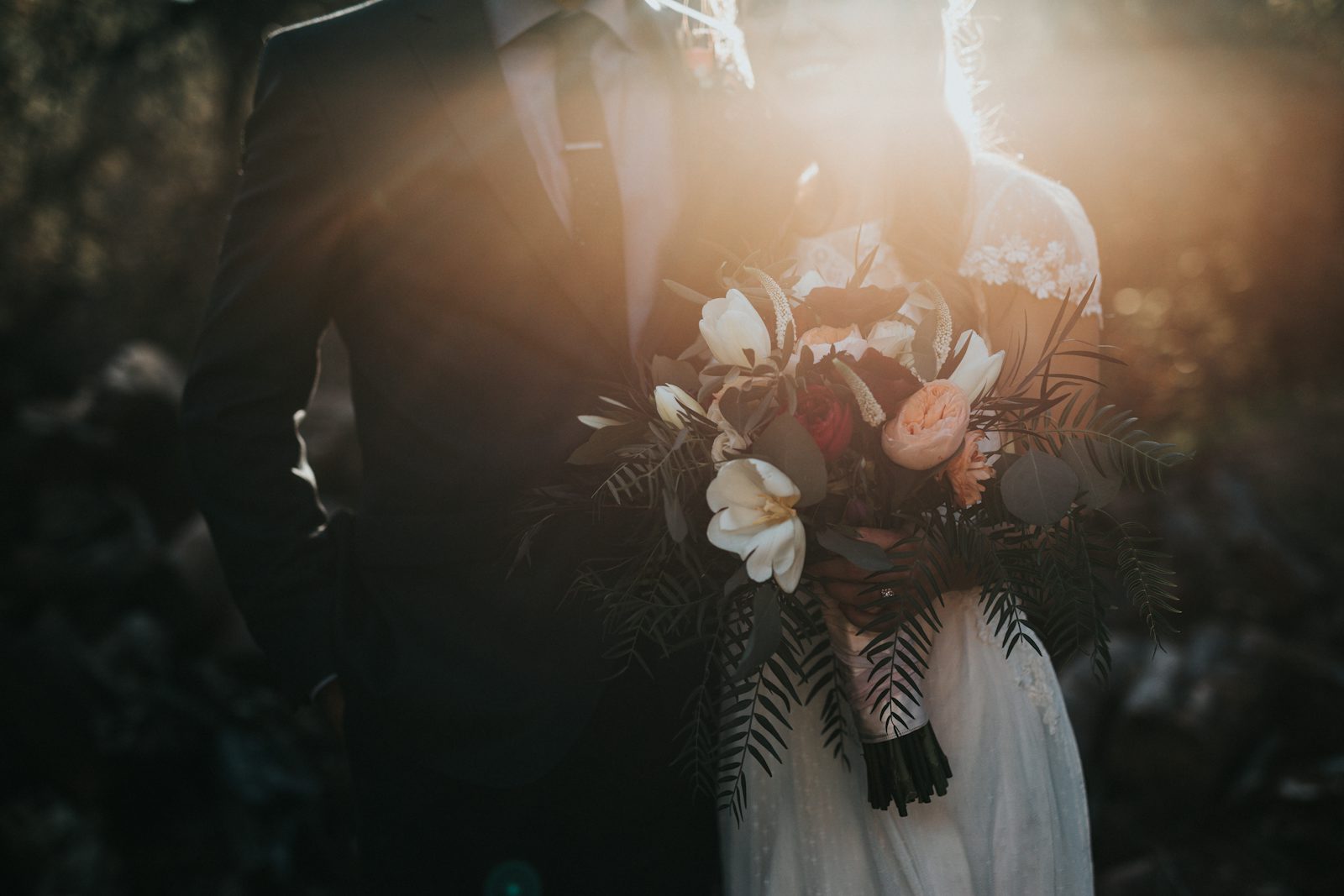
You don't need to know
Most people who book a session have never posed before. That's completely normal — and it's my job to guide you. If you've ever worried that you "don't know how to pose," this guide will put your mind at ease.
Posing isn't about holding a position. It's about movement, posture and small adjustments that make a big difference on camera.
Move, don't hold
The best poses come from movement, not freezing. When you freeze, your body looks stiff and your expression becomes forced. When you move, natural moments happen in between.
During the session, I'll ask you to walk, turn, look away and look back. I'll direct simple actions — fix your hair, adjust your jacket, look at the ground then up. The photos come from the moments between those actions, when you're natural and unaware of the camera.
This approach means you never have to "hold a pose" or wonder if you're doing it right. You just follow the guidance, and the photos happen.
Posture
Good posture is the foundation of every great portrait. Before any pose, I'll remind you to:
- Stand tall — imagine a string pulling the top of your head up
- Roll your shoulders back and down, not forward
- Keep your spine long but not rigid
- Breathe normally — holding your breath creates tension in your face
Hands and arms
Hands are the most common source of awkwardness in portraits. The rules are simple:
- Keep your hands soft — never clenched or stiff
- If standing, let one hand rest naturally — in a pocket, on a hip, touching your other arm
- Give your hands something to do — hold a prop, touch your hair, adjust your collar
- Avoid symmetric poses where both hands do the exact same thing
The chin
A slight forward chin eliminates the double-chin effect without looking forced. I'll remind you throughout the session — it's a small adjustment that makes a visible difference.
The key is "forward and down" — not tilting up, which looks unnatural, but gently extending the chin forward to define the jawline.
Weight distribution
Where you place your weight changes the whole pose:
- Shift your weight to one hip — it instantly looks more relaxed and natural
- Avoid standing with weight evenly distributed on both feet — it looks stiff
- A slight bend in one knee creates a more dynamic, natural line
Eyes
Where you look changes the entire mood of a photo:
- Looking directly at the camera creates connection and intensity
- Looking away creates a candid, editorial feel
- Looking down then up on cue creates a natural, lively expression
I'll guide where to look for each frame — you don't need to decide.
Trust the process
I direct every frame. You won't be left wondering what to do — just follow along and the photos will come. Most people are surprised by how natural the results look, even if they've never been photographed professionally before.
The best thing you can do is relax, breathe and trust the guidance. The photos come from who you are, not from a pose you've rehearsed. Ready to try it? Browse the female portrait session or write to me to book.